
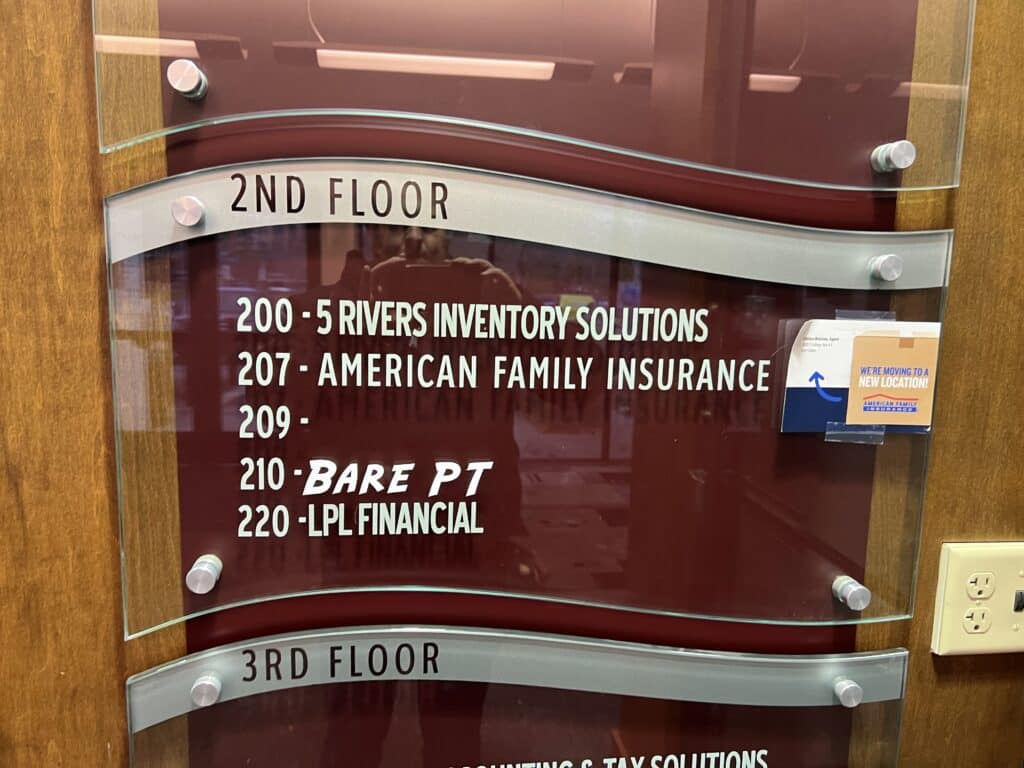
Clear, accessible signage is essential for helping customers, employees, and visitors navigate your space safely and confidently. Whether you manage an office building, retail center, medical facility, school, restaurant, or commercial property, ADA and wayfinding signs improve both accessibility and the overall customer experience.
Professionally designed signage does more than direct traffic. ADA-compliant signs help businesses meet legal accessibility requirements while creating a more welcoming and organized environment for everyone.
At Action Signs, businesses throughout Fort Collins can customize ADA and wayfinding signage systems that are functional, attractive, and fully compliant with accessibility standards.
What Are ADA and Wayfinding Signs?
ADA signs are designed to comply with the Americans with Disabilities Act (ADA), which establishes accessibility requirements for public spaces. These signs help individuals with visual impairments and other disabilities navigate buildings more independently.
Wayfinding signs are directional and informational signs that guide people through a space efficiently.
Together, ADA and wayfinding signage systems help visitors:
- Locate rooms and offices
- Find exits and restrooms
- Navigate hallways and stairwells
- Identify accessible routes
- Move through buildings more safely
According to Action Signs’ ADA and Wayfinding page, professionally fabricated ADA signage helps businesses remain compliant while maintaining attractive and affordable displays.
Why ADA Compliance Is Important
ADA compliance is not just about regulations — it’s about accessibility, inclusion, and usability.
Businesses that fail to meet ADA signage standards may face:
- Compliance violations
- Accessibility complaints
- Customer frustration
- Legal risks
- Negative customer experiences
Proper signage ensures all visitors can navigate your building more comfortably and independently.
According to ADA signage resources, compliant signs typically include:
- Raised tactile lettering
- Grade 2 Braille
- High-contrast text
- Non-glare finishes
- Proper mounting placement
Common Types of ADA and Wayfinding Signs
Different facilities require different types of signage depending on layout, traffic flow, and accessibility needs.
Room Identification Signs
These signs identify permanent rooms and spaces such as:
- Offices
- Conference rooms
- Restrooms
- Utility rooms
- Classrooms
- Exam rooms
Most room identification signs include tactile lettering and Braille to meet ADA requirements.
Directional and Wayfinding Signs
Directional signage helps visitors move efficiently through a building or property.
Examples include:
- Arrows and directional markers
- Hallway directories
- Parking guidance
- Exit routes
- Elevator and stairwell signage
Wayfinding systems are especially important in:
- Medical facilities
- Schools and universities
- Corporate offices
- Shopping centers
- Hotels
- Government buildings
Restroom Signs
ADA restroom signage is among the most commonly required accessibility signs.
These signs typically include:
- Raised text
- Braille
- Gender pictograms
- Accessibility symbols
Proper mounting height and placement are critical for compliance.
Exit and Safety Signs
Emergency and safety signage helps occupants identify:
- Fire exits
- Evacuation routes
- Stairwells
- Emergency equipment
- Accessible exits
These signs improve both compliance and overall building safety.
Benefits of Professional Wayfinding Systems
Good wayfinding design improves far more than navigation.
Well-planned signage systems help:
- Reduce confusion
- Improve traffic flow
- Create a more professional appearance
- Enhance customer experiences
- Minimize interruptions to staff
- Reinforce branding consistency
Visitors who can navigate your facility easily are more likely to feel comfortable and confident in your business.
According to wayfinding industry resources, effective signage systems reduce navigation frustration and improve overall visitor satisfaction.
ADA Sign Design Requirements
ADA signage must follow specific guidelines to remain compliant.
While exact requirements vary depending on the application, compliant signs often include:
Raised Characters
Tactile lettering allows visually impaired individuals to read signs through touch.
Braille
Grade 2 Braille is commonly required for room identification signage.
High Contrast
Strong contrast between text and background improves visibility for individuals with low vision.
Non-Glare Surfaces
Matte or non-reflective finishes help reduce glare and improve readability.
Proper Placement
ADA signs are typically mounted at specific heights and positions near doors and entrances.
Because regulations can be complex, many businesses work with experienced signage professionals to ensure compliance from the beginning.
Why Custom ADA Signage Matters
ADA signs do not have to look generic or unattractive.
Modern custom signage systems can combine:
- Compliance
- Branding
- Interior design aesthetics
- Durability
- Professional presentation
Businesses today often incorporate:
- Custom colors
- Branded typography
- Architectural finishes
- Acrylic materials
- Metal accents
- Frosted surfaces
According to ADA signage fabrication resources, custom wayfinding systems can be tailored to match building branding while still meeting accessibility standards.
Wayfinding Signage Improves Customer Experience
Visitors form impressions about your business quickly. Confusing layouts or unclear signage can create frustration almost immediately.
Clear wayfinding systems help people:
- Reach destinations faster
- Feel more comfortable
- Navigate independently
- Spend less time asking for directions
This is particularly important for:
- Hospitals
- Large office buildings
- Schools
- Hotels
- Event venues
- Retail centers
Wayfinding signage improves accessibility while creating a smoother, more professional customer experience overall.
ADA and Wayfinding Signs for Different Industries
Nearly every industry benefits from accessible directional signage.
Common applications include:
Medical Facilities
- Patient room signs
- Department directories
- Accessible restroom signs
- Emergency exit signage
Corporate Offices
- Conference room identification
- Lobby directories
- Floor navigation
- Department signage
Schools and Universities
- Classroom signs
- Building directories
- Campus navigation
- Accessibility routes
Retail and Hospitality
- Restrooms
- Exits
- Customer service areas
- Parking guidance
Government Buildings
- Public access signage
- Department directories
- Safety signage
- Accessibility compliance
Why Businesses Choose Professional ADA Sign Fabrication
ADA signage involves more than printing text onto a plaque. Compliance depends on:
- Proper materials
- Correct spacing
- Accurate Braille translation
- Approved mounting placement
- Fabrication precision
At Action Signs, the team is experienced in ADA and wayfinding fabrication for commercial properties throughout Northern Colorado. Their ADA signage services focus on attractive, compliant solutions customized for each facility.
Create a More Accessible and Professional Environment
ADA and wayfinding signs are an essential part of creating safe, accessible, and user-friendly spaces. From improving navigation to supporting compliance, professionally designed signage systems benefit both businesses and visitors alike.
Whether you’re updating an office, renovating a commercial property, or planning signage for a new facility, custom ADA signage helps create a polished and accessible environment.
To explore examples of completed projects, browse the Action Signs portfolio and view architectural signage solutions for businesses throughout Fort Collins.
If you’re ready to improve your facility’s signage system, Request a Quote from Action Signs and learn more about custom ADA and wayfinding signage solutions.


