
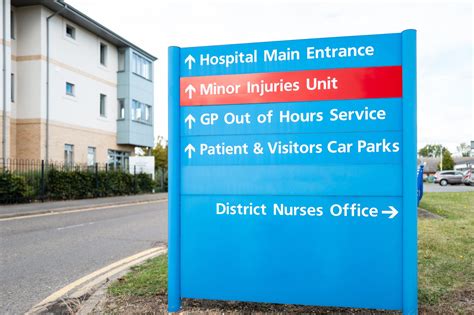
For medical offices, signage serves a purpose far beyond displaying a business name. Patients rely on signs to find the right building, locate entrances, navigate hallways, and find specific departments or treatment rooms.
At the same time, your signage contributes to the overall patient experience. Clear, professional signs can make a medical office feel organized, welcoming, and trustworthy, while confusing or outdated signage can create unnecessary stress for patients and visitors.
From exterior building signs and monument signs to ADA-compliant room identification and interior wayfinding, choosing the right signage is essential for creating an effective healthcare environment.
In this guide, we’ll explore the best types of signs for medical offices and how they can improve visibility, branding, accessibility, and the patient experience.
Why Quality Signage Matters for Medical Offices
Medical facilities can be difficult to navigate, especially for first-time visitors. Patients may already be feeling anxious or distracted, making clear and easy-to-understand signage especially important.
Well-designed medical office signage can:
- Help patients find your facility
- Improve navigation throughout your building
- Create a professional first impression
- Reinforce your healthcare brand
- Improve accessibility
- Reduce confusion and missed appointments
- Make patients feel more comfortable
A comprehensive signage system combines exterior identification, interior wayfinding, room identification, and accessibility signage to create a seamless experience from the parking lot to the patient’s destination.
1. Exterior Building Signs
Your exterior sign is often the first thing patients see when arriving at your medical office.
A highly visible building sign makes it easier for patients to identify your facility, particularly when your office is located in a busy medical complex or shopping center.
Popular options include:
- Channel letters
- Dimensional lettering
- Illuminated building signs
- Cabinet signs
- Wall-mounted signs
Illuminated signs can be particularly effective for healthcare facilities that operate during early morning or evening hours.
Explore our Exterior Sign Capabilities:
https://www.actionsignsco.com/services/exterior-sign-capabilities/
2. Monument Signs
For medical campuses, clinics, and facilities set back from the road, monument signs provide an excellent way to identify your property from a distance.
Monument signs are freestanding signs typically installed near driveways, parking lots, or property entrances.
They can include:
- Medical office names
- Multiple healthcare providers
- Logos
- Building numbers
- Directional information
A professionally designed monument sign can also give your facility a permanent, established appearance.
3. ADA-Compliant Signs
Accessibility is an essential consideration for medical facilities.
ADA signage helps patients identify rooms, restrooms, exits, and other important areas throughout your facility.
Common ADA signs include:
- Room identification signs
- Restroom signs
- Stairway signs
- Exit signs
- Permanent directional signs
ADA signage commonly incorporates features such as tactile lettering, Braille, and appropriate contrast to help individuals with visual impairments navigate the facility.
Because ADA requirements can be complex, working with an experienced sign professional can help ensure your signage is designed with applicable accessibility standards in mind.
Learn more about our ADA Signage:
https://www.actionsignsco.com/services/interior-sign-capabilities/ada-signs/
4. Wayfinding Signs
Large medical facilities can be confusing to navigate.
Wayfinding signage helps patients understand where they are, where they need to go, and how to get there.
Effective wayfinding systems can include:
- Directional wall signs
- Hanging directional signs
- Corridor signs
- Floor identification
- Department signs
- Parking signs
- Entrance and exit signs
The best wayfinding systems use simple language, consistent symbols, and clear directional cues.
For example:
Imaging →
Lab ←
Suite 200 ↑
Simple, consistent information can make a significant difference in the patient experience.
Explore our Wayfinding Signage solutions:
https://www.actionsignsco.com/services/interior-sign-capabilities/wayfinding/
5. Lobby Signs
Your reception area is often the first interior space patients encounter.
A professionally designed lobby sign reinforces your brand and immediately communicates that patients are in the right place.
Popular lobby sign options include:
- Dimensional lettering
- Acrylic logo signs
- Metal lettering
- Backlit logos
- Layered acrylic displays
Your lobby sign should coordinate with your overall branding while complementing the design of your facility.
6. Room Identification Signs
Clear room identification is essential in medical offices.
Patients should be able to quickly identify:
- Exam rooms
- Consultation rooms
- Treatment areas
- Offices
- Labs
- Imaging rooms
- Restrooms
- Waiting areas
Room signs can be designed to incorporate your branding while maintaining the readability and accessibility necessary for healthcare environments.
7. Directional and Department Signs
For larger healthcare facilities, departmental signage helps patients navigate from one area to another without having to repeatedly ask staff for directions.
Examples include:
- Primary Care
- Pediatrics
- Imaging
- Laboratory
- Physical Therapy
- Billing
- Pharmacy
- Administration
Consistent colors, typography, icons, and arrows can create an intuitive navigation system throughout the facility.
8. Window Graphics and Privacy Film
Medical offices often require privacy while still wanting to maintain a professional, welcoming appearance.
Frosted or decorative window graphics can provide privacy without completely blocking natural light.
They can also incorporate:
- Logos
- Patterns
- Decorative elements
- Department names
- Branding
Window graphics can be particularly useful for examination rooms, conference rooms, office partitions, and glass entry doors.
Learn more about our Window Graphics:
https://www.actionsignsco.com/services/large-format-printing-capabilities/window-graphics/
9. Wall Graphics and Murals
Medical environments don’t have to feel cold or sterile.
Custom wall graphics and murals can introduce warmth, personality, and visual interest into waiting rooms, hallways, children’s healthcare areas, and treatment spaces.
Popular healthcare mural ideas include:
- Nature scenes
- Colorado landscapes
- Calming patterns
- Local photography
- Inspirational messages
- Educational graphics
- Custom illustrations
Wall murals can also be used to reinforce your organization’s mission, values, or history.
Explore our Wall Graphics:
https://www.actionsignsco.com/services/interior-sign-capabilities/wall-graphics/
10. Parking and Exterior Directional Signs
The patient experience begins before someone enters your building.
Parking and exterior directional signs can help patients quickly determine:
- Where to park
- Which entrance to use
- Where accessible parking is located
- Where to find specific departments
- Where visitors should check in
This is especially important for medical campuses with multiple buildings, entrances, and parking areas.
Clear exterior wayfinding reduces confusion and allows patients to spend less time looking for their destination.
How to Create an Effective Medical Office Signage System
The most effective healthcare signage doesn’t rely on one sign. Instead, multiple signs work together to guide patients throughout the entire facility.
Think about the patient’s journey:
Parking Lot → Building Entrance → Lobby → Reception → Hallway → Department → Room
Each stage should provide clear information when the patient needs it.
Keep Information Simple
Avoid filling signs with unnecessary information. Patients should be able to understand the message quickly.
Use Consistent Design
Maintain consistent colors, fonts, symbols, and terminology throughout the facility.
Prioritize Readability
Use appropriate contrast and easy-to-read typography. Important information should be visible from an appropriate distance.
Use Symbols When Helpful
Universal symbols can help patients quickly understand information regardless of language or reading ability.
Plan Before Manufacturing
A comprehensive signage plan can prevent inconsistent signs and help ensure important locations aren’t overlooked.
Illuminated vs. Non-Illuminated Signs
Medical offices should also consider whether exterior signage should be illuminated.
Illuminated Signs
Best for:
- Facilities with evening hours
- Buildings along busy roads
- Large medical campuses
- High-traffic locations
Benefits:
- Increased visibility
- Easier identification after dark
- Stronger brand presence
- Professional appearance
Non-Illuminated Signs
Best for:
- Offices primarily operating during daylight
- Interior applications
- Facilities with existing exterior lighting
- Businesses with limited signage budgets
Benefits:
- Lower initial cost
- Minimal maintenance
- Classic appearance
- No electrical requirements
Read more about the differences in our guide to Illuminated vs. Non-Illuminated Signs.
Common Medical Office Signage Mistakes
Even professionally designed signs can be ineffective if they’re not properly planned.
Avoid these common mistakes:
Too Much Information
Patients shouldn’t have to read a paragraph to figure out where they’re going.
Inconsistent Signage
Using different colors, fonts, or terminology throughout a facility can create confusion.
Poor Placement
A sign that’s hidden behind a doorway, too high, or positioned after a decision point may not help patients when they need it.
Ignoring Accessibility
Accessibility should be considered from the beginning of the signage planning process rather than added as an afterthought.
Forgetting Exterior Navigation
Don’t focus exclusively on interior signage. Patients need guidance from the moment they enter the property.
Why Choose Action Signs for Medical Office Signage?
At Action Signs, we understand that healthcare signage needs to balance branding, functionality, accessibility, and durability.
Our team can help medical offices and healthcare facilities develop signage solutions that create a consistent experience from the parking lot to the exam room.
What Sets Us Apart
Custom Design
We create signage that complements your existing branding and the architecture of your facility.
Complete Signage Solutions
From exterior building signs and monument signs to ADA signage, wayfinding, wall graphics, and window graphics, we can help with your entire signage project.
Quality Materials
We use durable materials designed for long-term performance in both interior and exterior environments.
Professional Installation
Our experienced installation team ensures your signage is securely and professionally installed.
Full-Service Support
From design and fabrication through installation and ongoing maintenance, Action Signs can help manage your project from start to finish.
Explore our complete range of Sign Services:
https://www.actionsignsco.com/services/
Ready to improve your medical office signage? Visit https://www.actionsignsco.com/contact/ to request a quote and talk with the Action Signs team about creating a professional, accessible, and easy-to-navigate environment for your patients.
Disclaimer: This blog is intended for informational purposes only and does not constitute legal, architectural, or accessibility compliance advice. ADA requirements and local signage regulations can vary depending on the facility and application. Always consult applicable regulations and qualified professionals to ensure your signage meets current requirements.


