
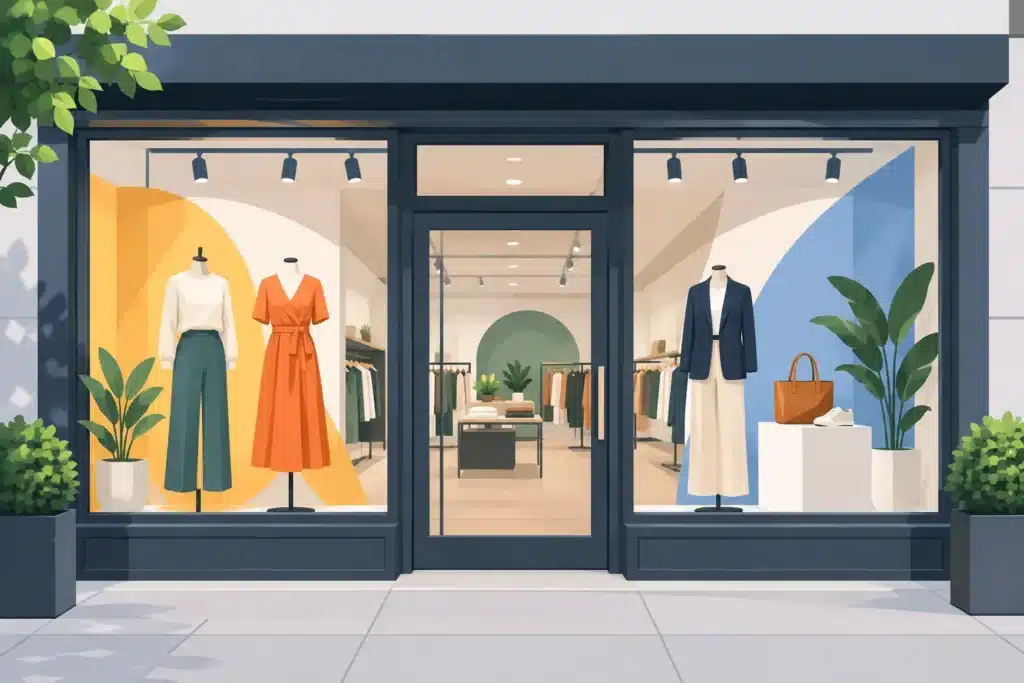
A storefront window is often the largest uninterrupted branding surface a business has – and one of the most underused. Well-planned window graphics can identify your location, promote a current offer, protect privacy, reinforce your brand, and give customers a reason to walk through the door. The difference between a useful window treatment and visual clutter comes down to purpose, material selection, design, and professional installation.
For businesses across Northern Colorado and Southern Wyoming, window graphics also need to stand up to intense sun, temperature swings, wind, and day-to-day cleaning. Choosing the right solution at the start helps avoid faded prints, peeling edges, blocked views, or a design that stops working when the promotion changes.
Start With What the Window Needs to Do
The best graphic program begins with a practical question: what should this glass accomplish for the business? A retail storefront may need to catch the attention of passing traffic. A medical office may need privacy without making the waiting area feel closed in. A restaurant may want to display hours, ordering information, and seasonal promotions while preserving natural light.
One window can serve more than one purpose, but it should have a clear priority. Trying to put every service, logo variation, phone number, social handle, and promotion on the glass usually creates a message no one can read from the street. A stronger approach gives people the information they need at the distance where they will see it.
For example, a business name and category should be readable from a parking lot or across a sidewalk. Hours, suite numbers, and door instructions belong closer to the entrance. Promotional details can work at pedestrian distance, especially when customers have a few seconds to stop and read them.
Common Types of Window Graphics
Window graphics are not a single product. Material, finish, adhesive, and coverage level all affect the result. The right choice depends on the application, how long the graphics need to remain in place, and whether visibility through the glass matters.
Full-Color Vinyl Graphics
Printed vinyl is a flexible choice for logos, product images, branded patterns, hours, and promotional messaging. It can cover a small portion of the window or create a larger visual statement across multiple panes. Laminated graphics add protection from UV exposure, moisture, abrasion, and routine cleaning.
Full-color vinyl works well for retail promotions, fitness facilities, restaurants, showrooms, and businesses with a strong visual brand. It is also useful when a campaign needs to be updated regularly. The trade-off is that large solid areas can reduce daylight and obscure the interior, so coverage should be planned rather than applied by default.
Perforated Window Film
Perforated film, sometimes called one-way vision film, uses small perforations to display a graphic on the exterior while allowing people inside to see out. It is a popular option for storefronts that need stronger curb appeal without fully blocking outward views.
This material performs best when the exterior is brighter than the interior, which is common during daylight hours. At night, the effect changes when interior lights are on. Businesses should not assume perforated film provides complete privacy after dark. It is also not the best fit for every exposed or high-wind installation, so the location and glass condition should be reviewed before production.
Frosted and Etched-Look Films
Frosted vinyl creates privacy while still allowing light into an office, clinic, conference room, salon, or entryway. It can be installed as a full panel, a horizontal band, a subtle pattern, or a custom-cut logo treatment. The result resembles etched glass at a much more practical price point and can be updated if the space changes.
This is often the right answer for interior glass where confidentiality and wayfinding matter. A healthcare office may use frosted film to screen treatment rooms. A professional services firm may apply a consistent branded band to conference rooms and sidelights. Because the design is usually understated, precise alignment and clean installation matter even more.
Cut Vinyl Lettering
Cut vinyl lettering is a straightforward, durable option for business names, hours, suite numbers, regulatory notices, and simple logos. It is especially useful on entry doors and windows where the message needs to remain clear and legible year-round.
Unlike a printed graphic, cut vinyl uses individual shapes and letters. That makes it a good fit for crisp, high-contrast messaging. It can also be combined with printed graphics or frosted film when a project calls for both information and visual impact.
Design for the Street, Not Just the Screen
A window graphic may look polished in a design proof and still fail in the field. The real test is how it reads from a vehicle, sidewalk, parking area, or nearby intersection. Good design accounts for viewing distance, obstructions, glare, mullions, door hardware, and what sits behind the glass.
Keep primary messaging short. A passerby should be able to identify the business and understand the main offer quickly. High-contrast color combinations generally perform better than low-contrast treatments, particularly when sunlight hits the glass. Fine type, thin strokes, and pale colors can disappear against reflections or interior displays.
Brand consistency matters, but window graphics do not need to duplicate every element of a brochure or website. A storefront is a physical environment. It benefits from a simplified version of the brand that is easy to recognize at a glance. If your business operates multiple locations, consistent layouts, colors, and placement standards also make future updates easier to manage.
Before finalizing a design, consider what is visible behind it. Merchandise displays, shelving, blinds, and interior lighting can all change the appearance of a graphic. A site review and measured layout help prevent a logo from landing across a window frame or a key message from being hidden by a door handle.
Plan for Durability and Maintenance
Colorado and Wyoming weather puts exterior graphics to work. Direct sun can accelerate fading. Snow, wind-driven dirt, temperature changes, and frequent cleaning all affect the useful life of the material. Quality film, compatible ink, protective laminate, and correct surface preparation are not small production details. They determine whether graphics continue to look professional after installation.
Glass should be clean, smooth, and in good condition before application. Existing adhesive residue, damaged tint, cracked panes, or failing caulk may need to be addressed first. Installing over a compromised surface can shorten the life of the graphic and make removal more difficult later.
Maintenance is usually simple. Clean graphics with a soft cloth, mild soap, and water, then avoid abrasive pads, harsh solvents, and sharp tools around edges. If a graphic begins to lift, fade, or sustain damage, address it early rather than waiting for a small issue to become a visible storefront problem.
Coordinate Graphics With the Rest of Your Signage
Window graphics work best as part of a broader customer experience. Exterior building signs help people find the location. Door lettering confirms they have arrived at the right entrance. Interior signs direct them to check-in, departments, restrooms, or service areas. Promotional graphics can then carry a timely message without taking over the entire storefront.
This coordination is particularly valuable for new locations, rebrands, and multi-tenant properties. It prevents mismatched colors, duplicate messaging, and last-minute installation conflicts. It also allows the project team to plan graphics around permitting requirements, landlord standards, access conditions, and construction schedules.
Action Signs can manage window graphics alongside exterior signage, interior displays, and installation planning, giving businesses one accountable team from design through completion. That approach is useful when several sign elements need to look coordinated and be ready for an opening date.
When to Update Your Window Graphics
Not every graphic needs to be permanent. Short-term promotions, seasonal campaigns, grand openings, lease-up messaging, and temporary construction notices may call for materials designed for easier removal or replacement. Long-term identity graphics, privacy film, and operating information generally justify more durable materials and a more permanent installation.
Review window graphics whenever your hours, services, branding, occupancy, or customer flow changes. An outdated promotion or old logo can make a business look neglected, while a timely update signals that the location is active and well managed.
The most effective window graphics do not simply fill empty glass. They make the building easier to find, the business easier to understand, and the customer’s next step more obvious.


