
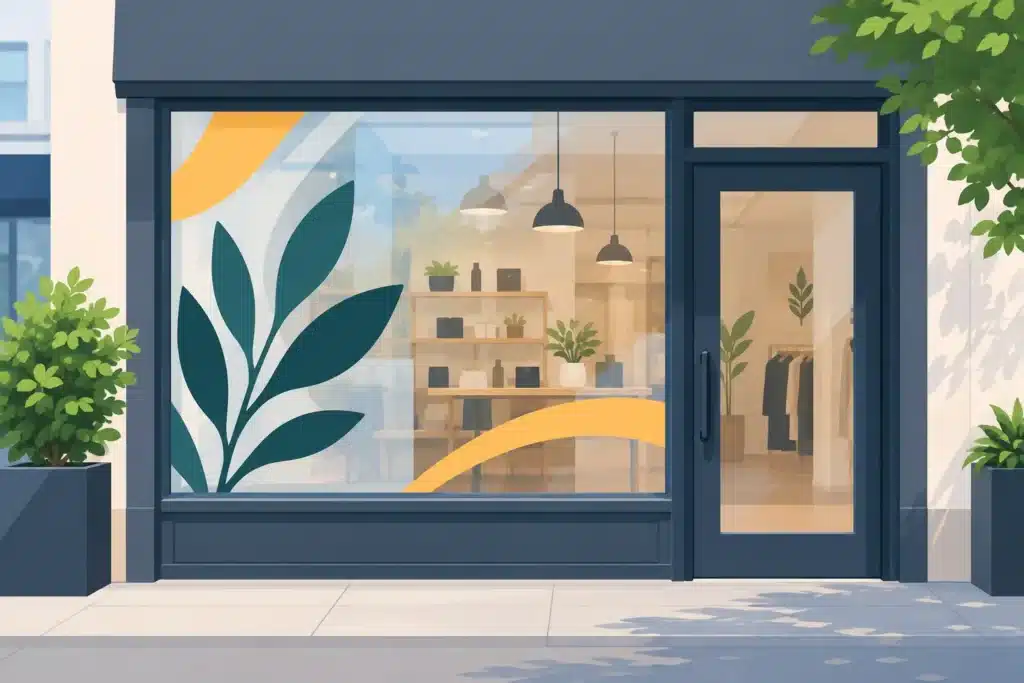
A front window can do more than show what is inside. Well-planned window lettering tells passersby who you are, what you offer, when you are open, and why they should walk through the door. For businesses on busy streets, in shopping centers, or within multi-tenant buildings, that glass is often some of the most visible real estate on the property.
The best results are not created by filling every pane with words. They come from clear messaging, readable design, the right film or vinyl, and professional installation that holds up to Colorado sun, snow, wind, and daily cleaning. Whether you are opening a new location, refreshing a storefront, or adding required information to an existing entrance, window graphics should support the way customers find and understand your business.
What Window Lettering Can Do for a Business
Window lettering is a broad term for vinyl text, logos, graphics, and films applied directly to interior or exterior glass. It can be as simple as a business name and suite number or as involved as a full storefront graphic program with promotional messages, branded patterns, privacy film, and operating information.
Its value is immediate: it puts useful information where people are already looking. A retail store can promote a seasonal offer. A medical office can identify an entrance and provide hours. A contractor can use temporary window graphics at a sales office or model home. Professional service firms can add a polished, branded presence to a street-facing office without changing the building structure.
Window graphics also work well alongside permanent exterior signs. Your primary sign may identify the business from across a parking lot or roadway, while lettering on the glass answers closer-range questions: Is this the correct door? Are you open now? What services are available? Where should visitors enter?
Start With the Message Customers Need First
The most common mistake in storefront lettering is treating every available inch of glass as advertising space. More copy does not always create more impact. Customers moving past a storefront have only a few seconds to take in the message, especially from a vehicle or across a parking lot.
Begin with the essentials. For many businesses, that means the business name, logo, entrance identification, hours, phone number, and website or other contact information. A short service statement can be useful when the business type is not obvious, such as “Physical Therapy,” “Tax and Accounting,” or “Commercial Equipment Repair.”
Promotional messaging should be selective. A single current offer, a featured product category, or a clear call to action can work well. Trying to feature every service, every brand carried, and every promotion usually makes the glass harder to read and less effective from a distance.
Consider viewing distance when deciding what belongs on the window. Large lettering should communicate the main message from the sidewalk, parking lot, or street. Smaller lettering can handle details that visitors read once they approach the door. This hierarchy is what keeps a window graphic functional rather than cluttered.
Choosing the Right Window Lettering Material
Not every window application requires the same material. The right choice depends on the desired appearance, expected lifespan, glass conditions, viewing direction, and whether the graphic needs to be removed or updated regularly.
Cut Vinyl Lettering
Cut vinyl is a durable option for logos, business names, hours, suite numbers, and simple graphics. Individual letters and shapes are cut from colored vinyl and applied to the glass, creating a clean appearance without a printed background. It is especially effective when brand colors are solid and the message needs to remain in place for years.
Printed Window Graphics
Printed vinyl allows for full-color imagery, gradients, photographs, and more detailed branding. It is a strong choice for retail promotions, product displays, campaign messaging, and graphics that use colors or effects beyond standard vinyl options. A protective laminate can improve durability and help the graphic stand up to moisture, UV exposure, and routine cleaning.
Perforated Window Film
Perforated film provides a printed image on the exterior while allowing people inside to see outward through the material. It can create a high-impact storefront display without fully blocking interior views. That benefit comes with trade-offs: visibility from inside is reduced, lighting conditions affect the effect, and the material may not be the best fit for every window or climate exposure.
Frosted or Etched-Look Film
Frosted vinyl gives glass the appearance of etched or sandblasted treatment at a more flexible price point. It is often used in offices, healthcare facilities, conference rooms, salons, and professional settings where privacy matters but natural light is still welcome. Frosted film can also carry a logo or pattern, turning a practical privacy solution into a subtle brand element.
Placement Matters as Much as Design
A strong graphic can still underperform if it is installed in the wrong place. Before finalizing a layout, look at the storefront from several positions: the public sidewalk, vehicle approach, accessible parking areas, and the entrance itself. Consider where doors swing, where window mullions break up the glass, and whether interior shelving or displays will hide any portion of the design.
Door lettering needs particular attention. Hours, accessibility notices, and entry information should be easy to locate without interfering with hardware, push bars, or sightlines. Depending on the building and use, door markings may also need to meet property requirements, accessibility standards, or local code expectations.
Sun exposure is another practical factor in Northern Colorado and Southern Wyoming. South- and west-facing glass can receive intense UV exposure, while wind-driven moisture, snow, and temperature swings put materials to work year-round. Quality film, proper surface preparation, and correct installation techniques all affect how long graphics retain their color and adhesion.
Coordinate Window Graphics With the Rest of Your Signs
Window lettering is most effective when it feels like part of a complete sign system. Use the same logo treatment, colors, type styles, and messaging priorities found on your exterior building sign, interior directional signs, vehicles, and printed materials. Consistency helps customers recognize the business before they read every word.
This is especially important for franchises, multi-location operators, and businesses going through a rebrand. Small inconsistencies can add up quickly when one vendor produces exterior signs, another prints window decals, and a third handles interior graphics. Working with one accountable sign partner simplifies brand control and makes future updates easier to manage.
At Action Signs, window lettering can be planned alongside building signs, interior graphics, vehicle branding, and installation requirements. That coordination helps avoid a common issue: ordering attractive graphics that conflict with the available space, local property rules, or the sign package already in production.
Plan for Permits, Property Rules, and Maintenance
Window graphics often involve fewer permitting requirements than permanent exterior signage, but that does not mean there are no restrictions. Shopping centers and commercial landlords may regulate the amount of window coverage, approved colors, placement, illuminated elements, or temporary promotional graphics. Municipal regulations can also affect signage visible from public rights-of-way.
It is better to review these conditions before design and production. A graphic that must be reduced, relocated, or removed after installation creates unnecessary cost and delay. For tenant improvements, new construction, or a coordinated storefront rollout, window graphics should be part of the early signage conversation rather than an afterthought.
Maintenance is straightforward but worth planning for. Use non-abrasive cleaning products and soft cloths, especially around vinyl edges. Avoid pressure washing directly against graphics. When campaigns change, remove outdated promotions promptly. Faded sale messaging or peeling decals can make an otherwise well-maintained business look neglected.
When to Update Your Storefront Glass
There is no fixed replacement schedule because material life depends on exposure, installation conditions, cleaning methods, and the type of graphic. Permanent identity lettering may remain in good shape for years. Seasonal promotions, event graphics, and temporary leasing information should be designed with shorter-term use in mind.
An update is usually warranted when the message is no longer accurate, the brand has changed, colors have visibly faded, edges are lifting, or the storefront no longer reflects the quality of the business inside. New hours, expanded services, a relocation within the same center, or a new entrance route are also good reasons to reassess the glass.
The goal is not to cover every window. It is to make each visible panel work harder for your business. Clear, durable window lettering gives customers a reason to stop, an easy way to find the right door, and a more confident first impression before they ever step inside.


